

Service overview
Understanding Sports Injury Chiropractic Care
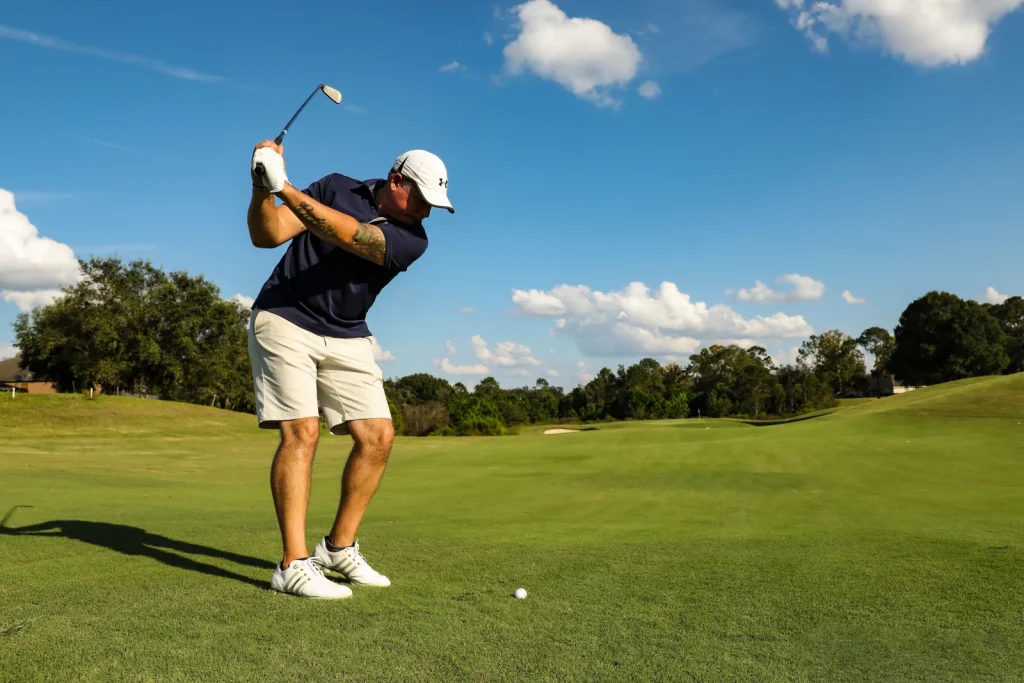
Sports injury chiropractic care examines how an acute injury, repeated training load, mobility restriction, or movement-control problem may affect participation in exercise and sport. The same painful area can reflect different tissues and different levels of irritability, so a useful evaluation considers how the problem began, what movements reproduce it, changes in training volume, recovery between sessions, and the demands of the person’s activity. Care may combine chiropractic treatment with mobility work, corrective exercise, soft-tissue support, or temporary activity changes when those options match the findings.
Why an individualized approach matters
Why consider Sports Injury Chiropractic Care at Sol Purpose?
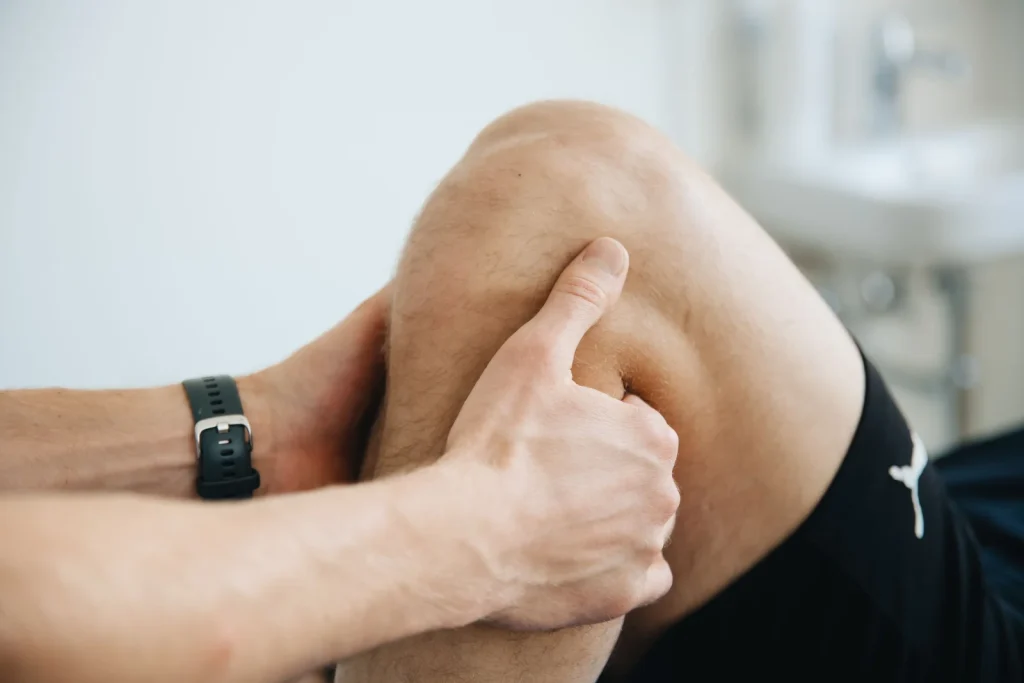
At Sol Purpose, sports-related care is organized around the movements and capacity an active person needs rather than around pain alone. Assessment may compare sides, examine strength and range of motion, review sport-specific tasks, and identify recent changes in load, equipment, or recovery. Recommendations can then be paced according to tissue sensitivity and the athlete’s current tolerance, with progress measured through walking, lifting, running, throwing, training volume, or another relevant task. This approach supports a gradual, understandable return to activity while allowing imaging, medical evaluation, or rehabilitation referral when the presentation falls outside routine chiropractic care.

Common reasons people consider Sports Injury Chiropractic Care
The same service can be considered for different goals. These common starting points still require an individualized evaluation.
Restore useful movement after injury
A useful plan connects sports injury chiropractic care goals to the examination findings and the daily activities you want to improve.
Address load and training tolerance
Your history, comfort, and response help determine whether this belongs in an individualized plan.
Support gradual return to activity
This goal is reviewed through practical changes in movement, tolerance, confidence, and function.
Reduce recurring movement limitations
Progress should be measured and the recommendation adjusted when sports injury chiropractic care goals or your response changes.
Recurring symptoms during practice, training, or competition
This reason is evaluated in the context of symptoms, function, health history, and the activities you want to return to.
Potential benefits of Sports Injury Chiropractic Care
Benefits depend on the reason for care, clinical suitability, and individual response. Sol Purpose uses functional goals rather than guaranteed outcomes.
Sport-specific evaluation
Sport-specific evaluation is discussed in relation to your goals, examination findings, and the activities that matter in daily life.
Better understanding of load tolerance
Better understanding of load tolerance is discussed in relation to your goals, examination findings, and the activities that matter in daily life.
Gradual return-to-activity planning
Gradual return-to-activity planning is discussed in relation to your goals, examination findings, and the activities that matter in daily life.
Progress measured through useful movement
Progress measured through useful movement is discussed in relation to your goals, examination findings, and the activities that matter in daily life.
A comprehensive sports injury chiropractic care plan
An individualized plan may combine the service with education, movement, or other options available at Sol Purpose. Not every element is appropriate for every person.
01
Chiropractic care when appropriate
Chiropractic care when appropriate may be considered for Sports Injury Chiropractic Care when it matches the history, examination findings, comfort, and agreed goals.
02
Corrective and sport-specific exercise
Corrective and sport-specific exercise may be considered for Sports Injury Chiropractic Care when it matches the history, examination findings, comfort, and agreed goals.
03
Stretch and mobility therapy
Stretch and mobility therapy may be considered for Sports Injury Chiropractic Care when it matches the history, examination findings, comfort, and agreed goals.
04
Massage therapy
Massage therapy may be considered for Sports Injury Chiropractic Care when it matches the history, examination findings, comfort, and agreed goals.
05
Shockwave or laser support when indicated
Shockwave or laser support when indicated may be considered for Sports Injury Chiropractic Care when it matches the history, examination findings, comfort, and agreed goals.
06
Progressive return-to-activity guidance
Progressive return-to-activity guidance may be considered for Sports Injury Chiropractic Care when it matches the history, examination findings, comfort, and agreed goals.
First visit
What to expect during your first visit
Before your visit, note what you hope to change, which activities are limited, what care or testing you have already tried, and any health factors that may affect suitability. Bring recent reports or imaging when they relate to the reason for the visit. Useful questions include why this service is being considered, what alternatives exist, what you may feel during care, how progress will be reviewed, and which changes should prompt a pause or referral. Clear answers support informed decisions.
- Discuss your health history, current concerns, and goals.
- Complete an individualized physical and movement assessment.
- Use digital X-rays only when they are clinically appropriate and may change the plan.
- Review findings, options, expectations, and a plan tailored to your situation.
Your next step
Talk with Sol Purpose about Sports Injury Chiropractic Care
A conversation and individualized evaluation can help determine whether this service belongs in your care plan.