
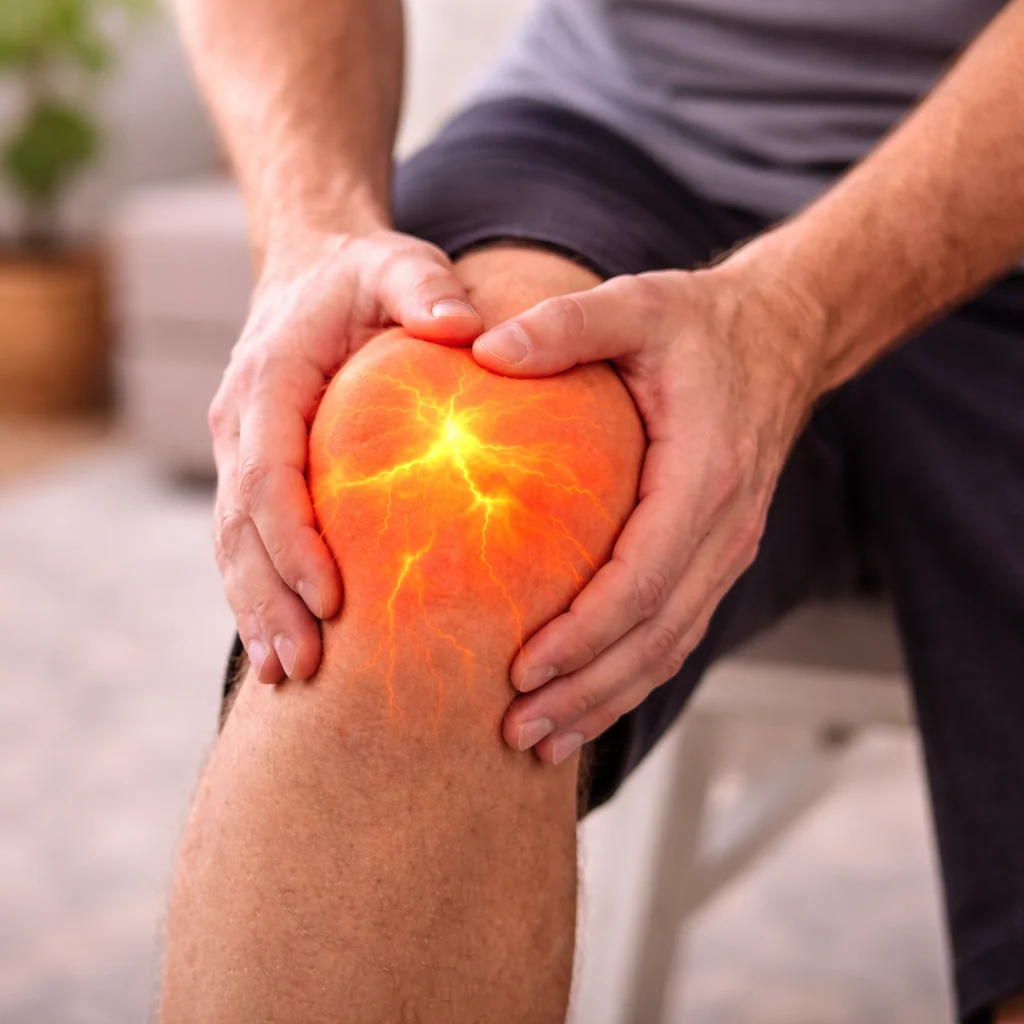
Condition overview
Understanding Knee Pain
Understanding the concern Knee pain may change with activity, load, mobility, and movement patterns; an evaluation considers both the knee and the way the whole lower body moves. A symptom name is a useful starting point, not a diagnosis. Severity, duration, pattern, associated symptoms, health history, and examination findings help determine what should happen next.
Symptoms and patterns
Understanding the different patterns of Knee Pain
People can use the same condition name for different experiences. Describing the pattern helps determine urgency, likely contributors, and appropriate next steps.
Swelling or stiffness
Swelling or stiffness can overlap with other patterns, so its relevance to Knee Pain depends on timing, triggers, related symptoms, and examination findings.
Pain with stairs or squatting
Pain with stairs or squatting can overlap with other patterns, so its relevance to Knee Pain depends on timing, triggers, related symptoms, and examination findings.
Locking, giving way, or instability
Locking, giving way, or instability can overlap with other patterns, so its relevance to Knee Pain depends on timing, triggers, related symptoms, and examination findings.
Hip, ankle, and training factors
Hip, ankle, and training factors can overlap with other patterns, so its relevance to Knee Pain depends on timing, triggers, related symptoms, and examination findings.
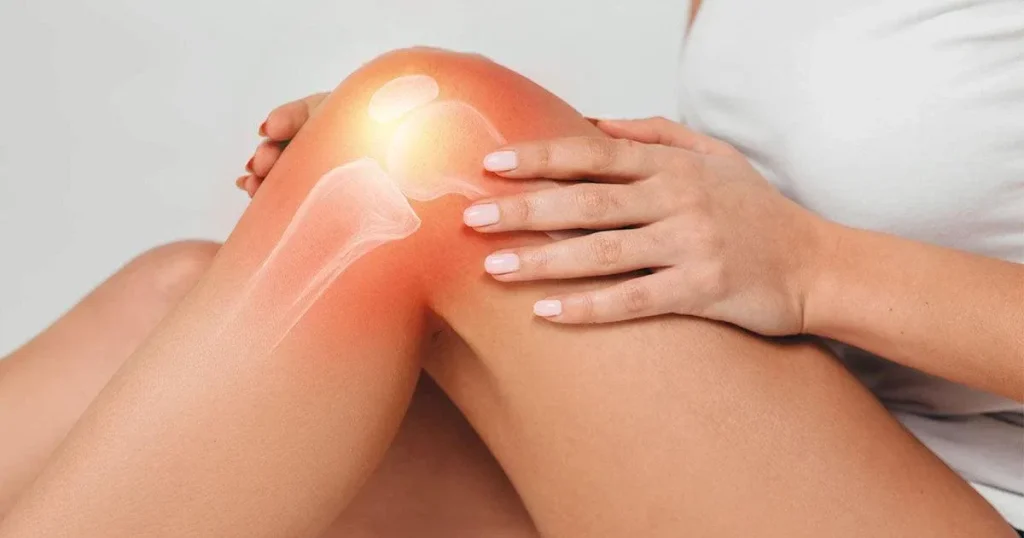
Common causes and contributing factors for Knee Pain
These factors are discussion points rather than a diagnosis. Similar symptoms can have different causes and may require different forms of care.
Sprain or overload
This factor can overlap with other explanations, so the symptom pattern and examination still matter.
Tendon or bursa irritation
Timing, triggers, location, and related changes help clarify whether this factor is relevant for you.
Arthritic or joint changes
The presence of this factor does not establish a diagnosis; it is one part of a broader evaluation.
Hip, ankle, and movement contribution
A responsible plan compares this possibility with function, neurological findings, and warning signs.
Hip and ankle contribution
Hip and ankle contribution can overlap with other patterns, so its relevance to Knee Pain depends on timing, triggers, related symptoms, and examination findings.
Changes in training or walking volume
Changes in training or walking volume can overlap with other patterns, so its relevance to Knee Pain depends on timing, triggers, related symptoms, and examination findings.
How Sol Purpose approaches Knee Pain
Care begins with history and examination rather than a preselected treatment. Depending on the findings, a plan may include the following options or referral to another professional.
01
Knee and movement evaluation
Knee and movement evaluation may be considered for Knee Pain when it matches the history, examination findings, comfort, and agreed goals.
02
Corrective exercise
Corrective exercise may be considered for Knee Pain when it matches the history, examination findings, comfort, and agreed goals.
03
Chiropractic care when appropriate
Chiropractic care when appropriate may be considered for Knee Pain when it matches the history, examination findings, comfort, and agreed goals.
04
Stretch or massage support
Stretch or massage support may be considered for Knee Pain when it matches the history, examination findings, comfort, and agreed goals.
05
Shockwave or laser support when indicated
Shockwave or laser support when indicated may be considered for Knee Pain when it matches the history, examination findings, comfort, and agreed goals.
06
Imaging or orthopedic referral when needed
Imaging or orthopedic referral when needed may be considered for Knee Pain when it matches the history, examination findings, comfort, and agreed goals.
Your next step
Take the next step with Knee Pain
If this concern is affecting daily life, an individualized evaluation can help clarify responsible options and next steps.